How to Add Colorful Lounge Furniture to Your Office Relaxation Area
Author: Xinda Clover
The Strategic Impact of Office Lounge Seating in 2026
In 2026, modern office lounge seating acts as more than just a place to rest. These spaces serve as strategic assets that embody corporate culture. They also boost physical vitality during the workday. Studies confirm that intentional breaks in high-quality office lounge seating increase productivity by 13%. These retreats also help reduce burnout among employees. We design every piece to transform sterile breakout zones into inviting areas. These solutions promote healthy posture and mental clarity for every team member.
Why Quality Office Lounge Seating Matters for Your Team
High-quality office lounge seating caters to the growing demand for personalized escapes. A premium lounge chair provides a crucial mental reset point. Furthermore, colorful upholstery adds visual energy to neutral office palettes. This makes the environment feel intentional and welcoming. Our office lounge seating also boosts inclusivity by supporting solo work and spontaneous brainstorming. These sessions often feel less formal than those in conference rooms.
Core Categories of Modern Office Lounge Seating
When curating your relaxation area, choose office lounge seating that fits your space.
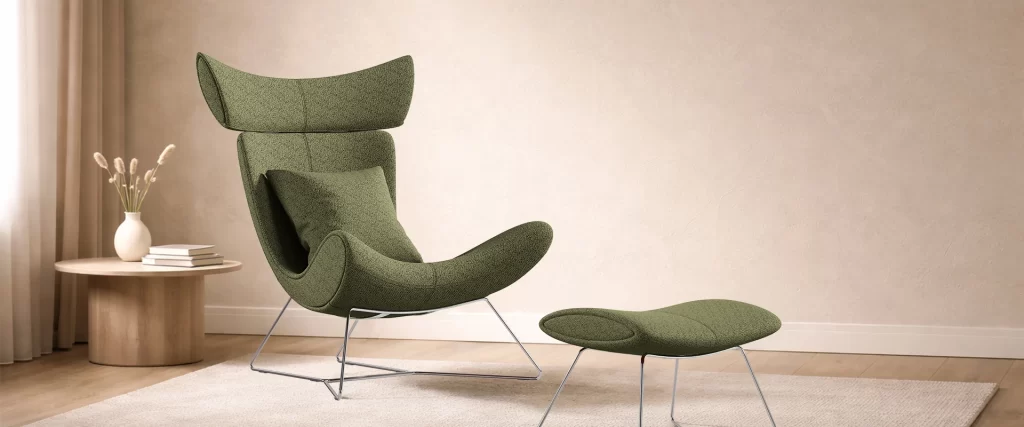
Ergonomic Lounge Chairs: These seats prioritize individual lumbar support and long-term durability.
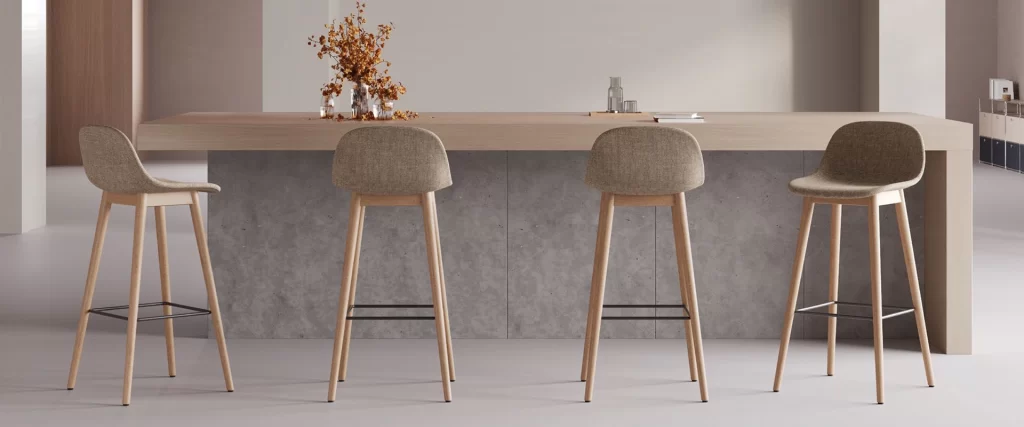
Bar Stools (for High-Top Relaxation Zones)Stylish, space-saving seating for casual work or quick coffee breaks at elevated tables.
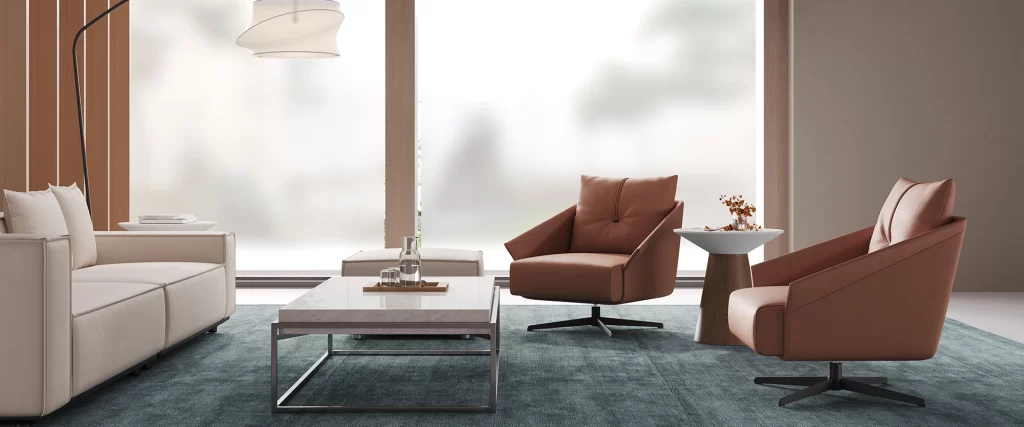
Swivel Office Lounge Chairs: We design these for hybrid setups that require both comfort and 360-degree mobility.
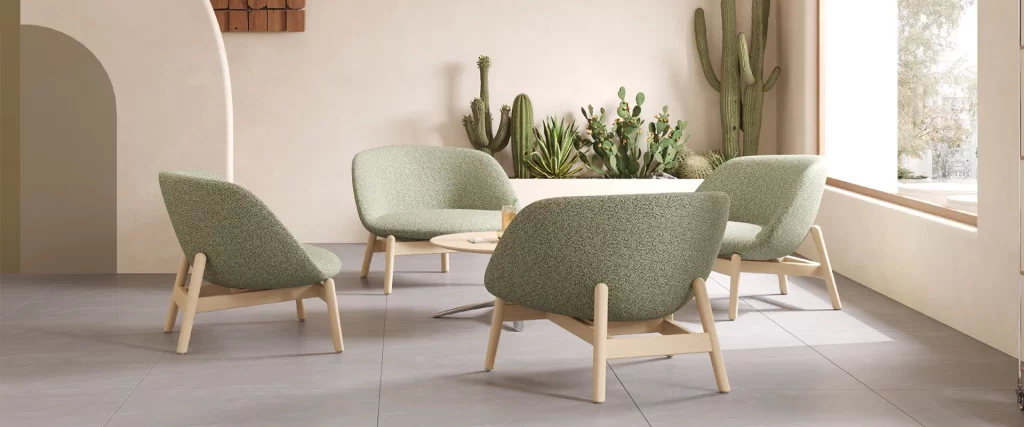
Modular Office Lounge Seating: These interchangeable sets adapt to small nooks or large collaborative zones effortlessly.
How to Choose the Right Office Lounge Furniture
Each type of lounge furniture serves a unique purpose—here’s how to pick the best options for your space:
1. Choosing the Perfect Lounge Chair
The office lounge seating is the star of most office relaxation areas, so it’s worth investing in pieces that balance comfort, durability, and style.
Upholstery: Opt for stain-resistant, high-performance fabrics (like textured wool-blends or water-repellent synthetics) that can withstand daily use. Bold colors (such as the deep burgundy of our featured lounge chair) add personality without clashing with office decor.
Ergonomics: Look for curved backs that support the spine and padded armrests (if included) to reduce shoulder tension. Pairing the chair with an ottoman enhances leg support for longer breaks.
Size: Measure your relaxation area first—compact lounge chairs work well in small nooks, while larger, wingback designs make a statement in open spaces.
2. Selecting Bar Stools for Casual Zones
Bar stools are ideal for creating “quick-stop” relaxation areas (e.g., near a coffee bar or snack station).
Height: Match the stool height to your table (counter-height stools for 36-inch tables, bar-height for 42-inch tables).
Comfort: Choose seats with padded cushions (in neutral tones like beige or light gray) and footrests to prevent leg fatigue during short stays.
Style: Wooden legs (like the light oak frames in our featured set) add warmth, while metal accents lend a modern touch.
3. Picking Swivel Lounge Chairs for Hybrid Use
Swivel lounge chairs are perfect for teams that use relaxation areas for both unwinding and informal work.
Mobility: Ensure the base swivels smoothly (360 degrees is ideal) to let users turn toward colleagues or a nearby laptop setup.
Support: Look for adjustable backrests or lumbar pillows to accommodate both relaxation and focused work.
Color Coordination: Mix neutral chairs (white, light gray) with one or two bold accents (mustard, yellow) to add visual energy without overwhelming the space.
4. Choosing Modular Lounge Sets for Flexible Spaces
Modular sets are great for offices that host both solo breaks and group gatherings.
Versatility: Select pieces that can be rearranged (e.g., chairs that clip together to form a sofa) to adapt to 2-person chats or 6-person brainstorming sessions.
Fabric Durability: Since these sets get heavy use, opt for fade-resistant, easy-to-clean materials (like microfiber or leatherette).
Color Palettes: Use a base of soft neutrals (beige, light sage) and add pops of color with throw pillows or accent chairs to keep the space feeling fresh.
Final Tips to Elevate Your Office Relaxation Area
Once you’ve selected your lounge furniture (including the centerpiece Lounge chair), finish the space with small touches that enhance comfort and style:
Add texture with a plush rug (like the light shag rug paired with our burgundy lounge chair) to soften hard floors.
Incorporate plants (succulents, large leafy greens) to boost air quality and create a calming, natural vibe.
Include small side tables for coffee mugs, laptops, or books—choose compact designs that don’t clutter the space.
By combining functional, colorful lounge furniture with thoughtful details, you’ll create a relaxation area that employees look forward to using—one that supports their well-being and strengthens your office culture.
Would you like me to adjust the tone to be more brand-focused, or add specific product references to your featured furniture pieces?