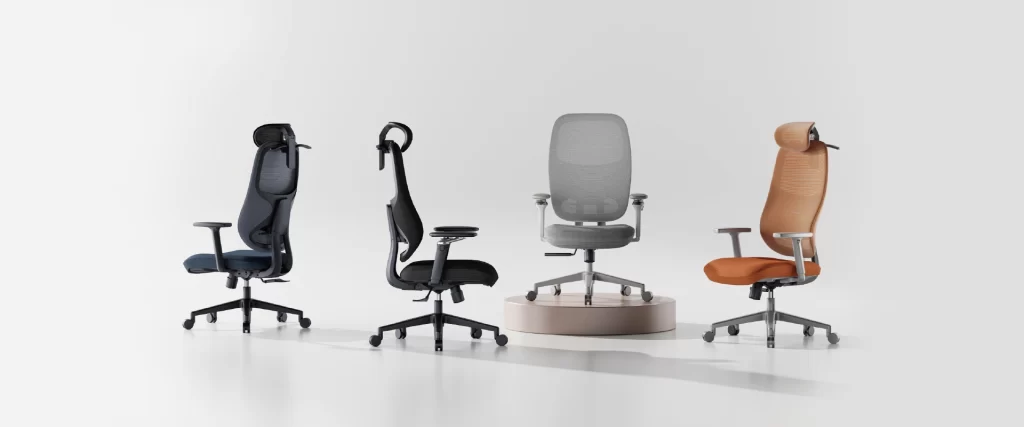
Office Chair Types for Workplace Projects: How to Choose the Right Seating Solution
Author: Xinda Clover
Selecting the right office chair is about more than comfort. In workplace projects, seating decisions affect employee wellbeing, productivity, space planning, and long-term operating costs.
Different work areas require different seating solutions. A task chair designed for all-day workstation use serves a very different purpose than a visitor chair in a reception area or a training chair in a flexible learning environment.
This guide explains the most common office chair types, where they are used, and what buyers should consider before making a purchasing decision.
Quick Answer: Which Office Chair Type Fits Your Workplace?
If you’re planning an office project, start by matching the chair type to the workspace function.
Workspace Area
Recommended Chair Type
Primary Goal
Employee Workstations
Task Chair
Daily comfort and productivity
Executive Offices
Executive Chair
Comfort and professional appearance
Meeting Rooms
Meeting Chair
Collaboration and consistency
Training Rooms
Training Chair
Flexibility and mobility
Reception Areas
Visitor Chair
Durability and first impressions
Most workplace projects use a combination of seating types rather than a single chair throughout the office.
Office Chair Comparison Table
Chair Type
Best For
Typical Daily Use
Procurement Focus
Task Chair
Employees
6–8+ Hours
Ergonomics & Adjustability
Executive Chair
Leadership Offices
4–8 Hours
Comfort & Appearance
Meeting Chair
Conference Rooms
1–3 Hours
Space Efficiency
Training Chair
Training Areas
Flexible Use
Mobility & Storage
Visitor Chair
Reception & Waiting Areas
Short-Term Use
Durability
How to Choose Office Chairs for Workplace Projects
Before selecting seating products, ask the following questions.
How Long Will Employees Sit Each Day?
Employees who spend most of the day at a workstation typically benefit from ergonomic task chairs with adjustable support features.
For occasional seating, such as visitor or meeting areas, advanced ergonomic adjustments may be less important.
Is Flexibility Important?
Training centers, educational environments, and multipurpose spaces often require mobile or stackable seating that can be rearranged quickly.
In these environments, mobility may be more valuable than advanced ergonomic functions.
Is Executive Appearance a Priority?
Leadership offices often require seating that supports both comfort and workplace aesthetics.
Executive chairs are commonly selected for private offices, boardrooms, and management spaces.
Will the Office Expand in the Future?
Growing organizations should consider seating solutions that can be standardized and easily scaled across departments.
Consistent seating specifications can simplify procurement and maintenance over time.
Task Chairs: The Standard Choice for Employee Workstations
Task chairs are the most common office seating solution in modern workplaces.
They are designed for employees who spend extended periods sitting at a desk and require support throughout the workday.
Best For
Open-plan offices
Individual workstations
Corporate offices
Shared workspaces
Procurement Priorities
When evaluating task chairs, buyers typically focus on:
Seat height adjustment
Lumbar support
Armrest adjustability
Breathable materials
Long-term durability
Why Task Chairs Are Popular
Task chairs balance comfort, flexibility, and cost-effectiveness. For most commercial office projects, they represent the largest seating category.
Related Seating Solutions
👉 Ergonomic Task Chairs
👉 Mesh Office Chairs
👉 Workplace Seating Collection
Executive Chairs: Comfort and Professional Appearance
Executive chairs are designed for private offices, management areas, and leadership workspaces.
They typically feature larger dimensions, premium finishes, and enhanced cushioning.
Best For
Executive offices
Director offices
Management suites
Leadership workspaces
Procurement Priorities
Buyers often evaluate:
Seat comfort
Upholstery materials
Design consistency
Brand image
Long-term durability
Why Executive Chairs Matter
Executive offices often serve as meeting spaces for clients, partners, and stakeholders. Seating contributes to both workplace comfort and professional presentation.
Related Seating Solutions
👉 Executive Office Chairs
👉 Premium Seating Collection
Meeting Chairs: Seating for Collaboration Spaces
Meeting chairs are designed for conference rooms, boardrooms, and collaborative workspaces.
Unlike task chairs, they are intended for shorter periods of use and often prioritize aesthetics and consistency.
Best For
Conference rooms
Boardrooms
Meeting spaces
Collaboration zones
Procurement Priorities
Consider:
Space efficiency
Design consistency
Ease of maintenance
Durability
Common Workplace Applications
Many organizations standardize meeting room seating across multiple locations to maintain a consistent workplace appearance.
Related Seating Solutions
👉 Conference Room Chairs
👉 Meeting Room Furniture
Training Chairs: Flexible Seating for Learning Environments
Training chairs support environments where layouts frequently change.
Many models include casters, folding mechanisms, or stackable designs.
Best For
Training rooms
Educational facilities
Learning centers
Multipurpose spaces
Procurement Priorities
Important considerations include:
Mobility
Storage efficiency
Ease of setup
Durability
Why Training Chairs Are Different
Unlike workstation seating, training chairs are often selected based on flexibility and operational efficiency rather than extended ergonomic support.
Related Seating Solutions
👉 Training Room Seating
👉 Flexible Learning Furniture
Visitor Chairs: First Impressions Matter
Visitor chairs are commonly used in reception areas, waiting rooms, and guest meeting spaces.
While users may only sit for short periods, appearance and durability remain important.
Best For
Reception areas
Waiting rooms
Guest seating
Visitor spaces
Procurement Priorities
Focus on:
Durability
Appearance
Ease of cleaning
Consistency with office design
Why Visitor Seating Matters
Visitor seating contributes to the overall workplace experience and helps reinforce a professional company image.
Related Seating Solutions
👉 Visitor Chairs
👉 Reception Area Furniture
Explore Workplace Seating Solutions
Different workplace environments require different seating strategies.
Popular commercial seating categories include:
Task & Ergonomic Seating
Designed for daily workstation use and employee comfort.
Executive Seating
Premium seating for leadership and management offices.
Meeting Room Seating
Professional seating for conference and collaboration spaces.
Training Room Seating
Flexible furniture for learning and multipurpose environments.
Visitor Seating
Reception and guest seating solutions.
👉 Browse Complete Seating Collection
Office Chair RFQ Checklist
Before requesting a quotation, prepare the following information:
Workspace Information
Office type
Number of employees
Seating categories required
Product Requirements
Chair type
Material preferences
Quantity requirements
Project Information
Delivery location
Installation requirements
Project timeline
Providing these details helps suppliers recommend the most suitable seating solution for your workplace.
Frequently Asked Questions
What type of office chair is best for all-day use?
Task chairs are generally the preferred choice for employees who spend six to eight hours or more at a workstation. Adjustable ergonomic features can improve comfort and support throughout the workday.
What is the difference between a task chair and an executive chair?
Task chairs focus on ergonomic performance and flexibility for daily workstation use. Executive chairs emphasize comfort, premium materials, and professional appearance for leadership spaces.
Are mesh office chairs better than upholstered chairs?
Both options have advantages. Mesh chairs typically offer greater breathability, while upholstered chairs may provide a softer seating experience and a more traditional appearance.
Which office chair type is best for meeting rooms?
Meeting chairs are usually the most suitable option because they balance comfort, space efficiency, and visual consistency across conference areas.
What information should I prepare before requesting a quote?
Prepare information about chair types, quantities, office layout, delivery location, and project timeline. This helps suppliers provide accurate recommendations and pricing.
Why Workplace Projects Choose Xinda Clover
Xinda Clover provides commercial seating solutions for corporate offices, educational facilities, government projects, and workplace developments worldwide.
Our product range includes:
Task chairs
Executive chairs
Meeting room seating
Training chairs
Visitor chairs
In addition to seating products, we support workspace planning, furniture customization, project procurement, and global delivery.
Need Help Choosing the Right Office Chair?
Whether you’re furnishing a new office, upgrading workplace seating, or planning a large-scale commercial project, selecting the right chair types can improve employee comfort and workplace efficiency.
Our team can help you identify suitable seating solutions based on workspace requirements, project budgets, and long-term operational needs.